
PM [1]
Rank : Helper
Status : Super Owner
#1
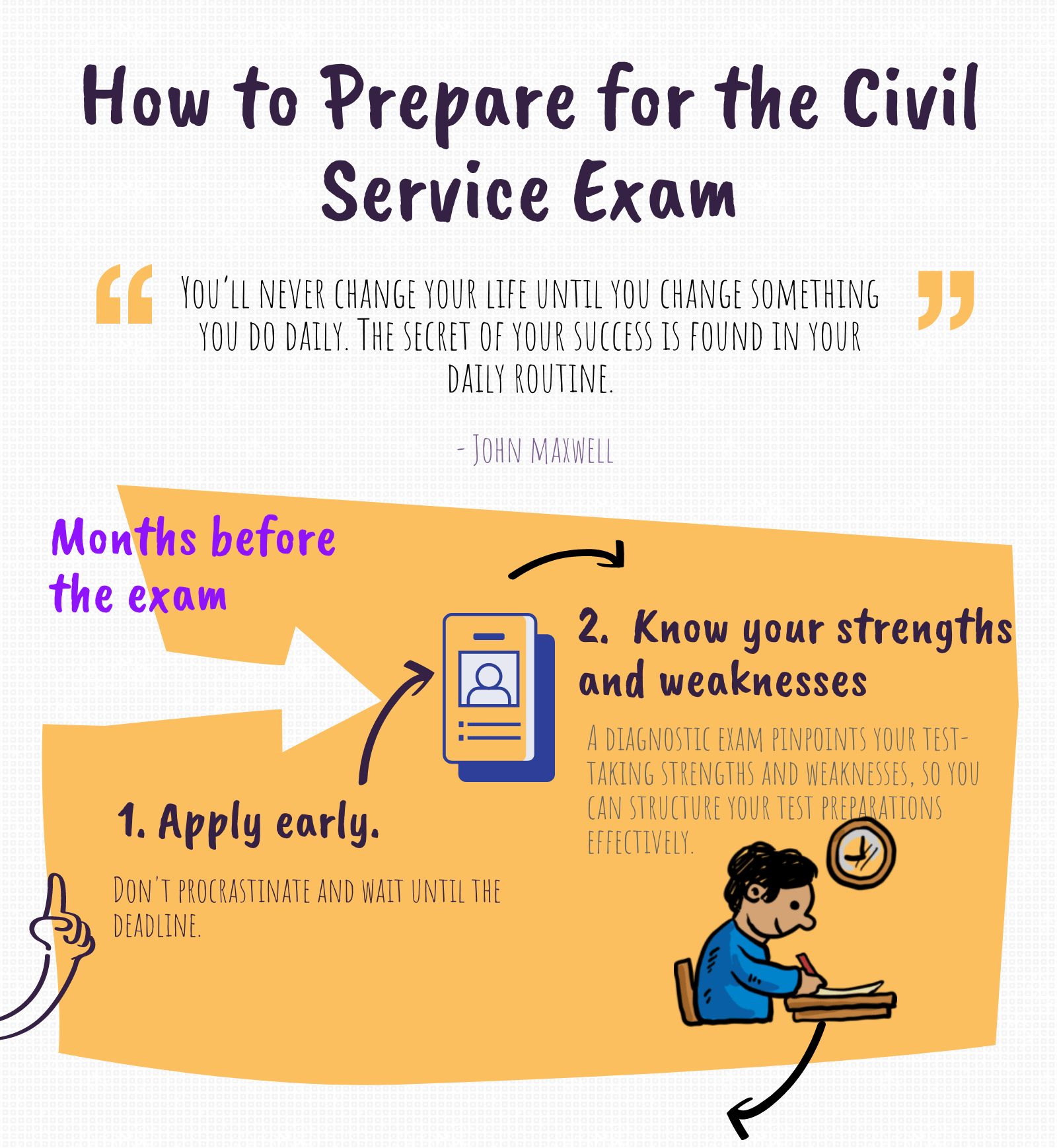
Preparing for the Civil Service Examination (CSE) requires a dedicated and strategic approach. Here's a comprehensive guide to help you get started:
1. Understand the Exam:
Know the stages:
The CSE typically involves three stages: Preliminary Examination (objective type), Main Examination (written), and Personality Test (interview).Syllabus and pattern:
Thoroughly understand the syllabus for each stage. Be aware of the exam pattern, marking scheme, and the type of questions asked. Official notifications are your best resource.Choose your optional subject wisely:
For the Main Examination, you need to choose an optional subject. Consider your strengths, interests, and the availability of resources.2. Create a Study Plan:
Long-term plan:
Create a realistic study schedule covering all aspects of the syllabus, leaving ample time for revision.Daily/weekly goals:
Break down your study plan into smaller, manageable goals. Consistency is key.Time allocation:
Allocate specific time slots for each subject, focusing on your weaker areas.Flexibility:
Be adaptable. Your plan should be flexible enough to accommodate unexpected events.3. Gather Study Materials:
NCERT books:
Start with NCERT textbooks from classes 6 to 12 for a strong foundation.Standard books:
Refer to recommended standard books for each subject.Newspapers and magazines:
Stay updated on current affairs through newspapers like The Hindu or The Indian Express, and magazines like Yojana and Kurukshetra.Online resources:
Utilize online platforms, websites, and apps for practice tests, study materials, and current affairs updates.4. Study Techniques:
Active reading:
Don't just passively read. Highlight key points, make notes, and summarize information.Practice answer writing:
Regularly practice writing answers for the Main Examination. This helps improve your writing skills, time management, and presentation.Revision:
Regularly revise what you have studied. Spaced repetition is effective for long-term retention.Mock tests:
Take mock tests to assess your progress, identify weak areas, and get accustomed to the exam format.Previous year's question papers:
Analyze previous year's question papers to understand the exam trends and question patterns.5. Current Affairs Preparation:
Daily reading:
Stay updated on current events through newspapers, magazines, and online resources.Note-making:
Make concise notes on important events, focusing on their background, impact, and relevance.Linking current affairs with static subjects:
Connect current events with the relevant static portions of the syllabus.6. Optional Subject Preparation:
In-depth understanding:
Develop a strong understanding of the chosen optional subject.Answer writing practice:
Practice writing answers specifically related to your optional subject.Consult expert guidance:
If needed, seek guidance from experienced mentors or coaching institutes.7. Personality Test (Interview) Preparation:
Mock interviews:
Participate in mock interviews to improve your communication skills, body language, and confidence.Self-assessment:
Reflect on your strengths, weaknesses, and motivations.Current affairs awareness:
Be prepared to discuss current events and express your opinions on relevant issues.Knowledge of your DAF:
Be thoroughly familiar with the details provided in your Detailed Application Form (DAF).8. Stay Motivated and Consistent:
Positive mindset:
Maintain a positive attitude and believe in your abilities.Discipline and consistency:
Follow your study plan diligently and consistently.Support system:
Surround yourself with a supportive network of family and friends.Breaks and relaxation:
Take regular breaks to avoid burnout and maintain focus.Key Resources:
UPSC website:
This is the official source for notifications, syllabus, and exam-related information.NCERT textbooks:
Essential for building a strong foundation.Standard reference books:
Consult recommended books for each subject.Newspapers and magazines:
Stay updated on current affairs.Online platforms and coaching institutes:
Utilize resources for practice tests, study materials, and guidance.Remember, success in the CSE requires hard work, dedication, and a strategic approach. Stay focused, stay motivated, and keep learning. Good luck!